
Let’s face it—selecting the right equipment is crucial in metal fabrication. Among them, the sheet rolling machine stands out, transforming flat metal sheets into curved or cylindrical forms for various applications. But with numerous options available, choosing the right one can be daunting.
As experienced metal processing machine manufacturers, we’ve assisted many businesses in equipment selection. This guide offers practical tips, avoiding technical jargon, to help you pick the ideal sheet rolling machine. We’ll also discuss its synergy with other tools like press brakes and laser cutters. By the end, you’ll confidently choose a machine that suits your current and future needs.
I. Why the Right Sheet Rolling Machine Is a Game-Changer for Your Production
You might think any sheet rolling machine will get the job done, but that’s a common misconception. The wrong machine can lead to wasted materials, slow production, and even safety risks—something no business can afford. Let’s take a real example: a customer we worked with recently was using an outdated sheet rolling machine that struggled with thick metal sheets. They were spending hours reworking parts, and their reject rate was through the roof. Once they switched to a properly sized sheet rolling machine paired with a high-quality plate shearing machine to prep the metal first, their production time cut in half, and their reject rate dropped to near zero. Just like the W12 plate rolling machine, it is driven by hydraulics, offers efficient and precise metal plate bending and is known for its high efficiency, precision and reliability.
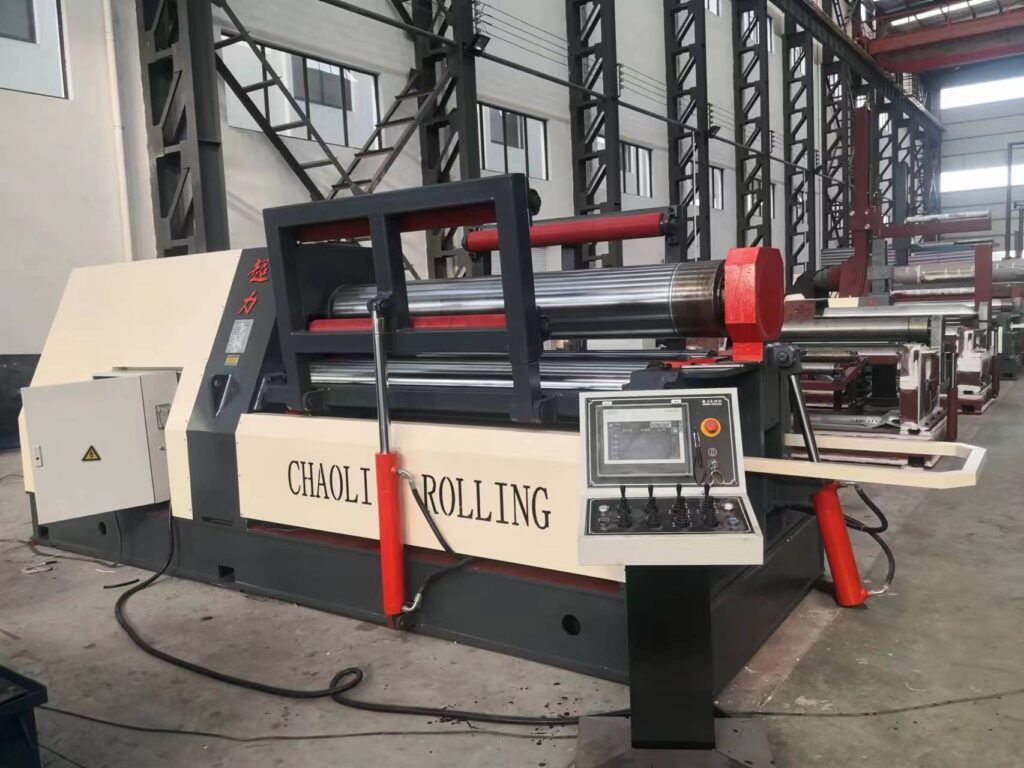
That’s the difference a good sheet rolling machine makes. But it’s not just about efficiency—there’s also consistency. A top-notch sheet rolling machine delivers uniform curves every time, which is crucial if you’re working on projects that require precision, like industrial pipes or custom metal structures. And let’s not forget ease of use. The best sheet rolling machines are designed with operators in mind—intuitive controls mean less training time and fewer mistakes. For example, our 2 rolls plate rolling machine has automative leveling, with roller position monitoring and automatic leveling system, it ensures product quality and stability.
When you combine that with the right supporting tools, like a profile bending machine for more complex shapes, you create a production line that runs like a well-oiled machine. Here’s another angle: investing in the right sheet rolling machine now saves you money later. Cheaper, low-quality machines often break down frequently, leading to costly repairs and downtime. A durable sheet rolling machine, backed by a supplier with strong industry experience, will last for years, making it a smart long-term investment.
II. Key Factors to Consider Before Buying a Sheet Rolling Machine
Now that you know why a good Sheet Rolling Machine matters, let’s dive into the factors that will help you make the right choice.
1. Specific Fabrication Needs
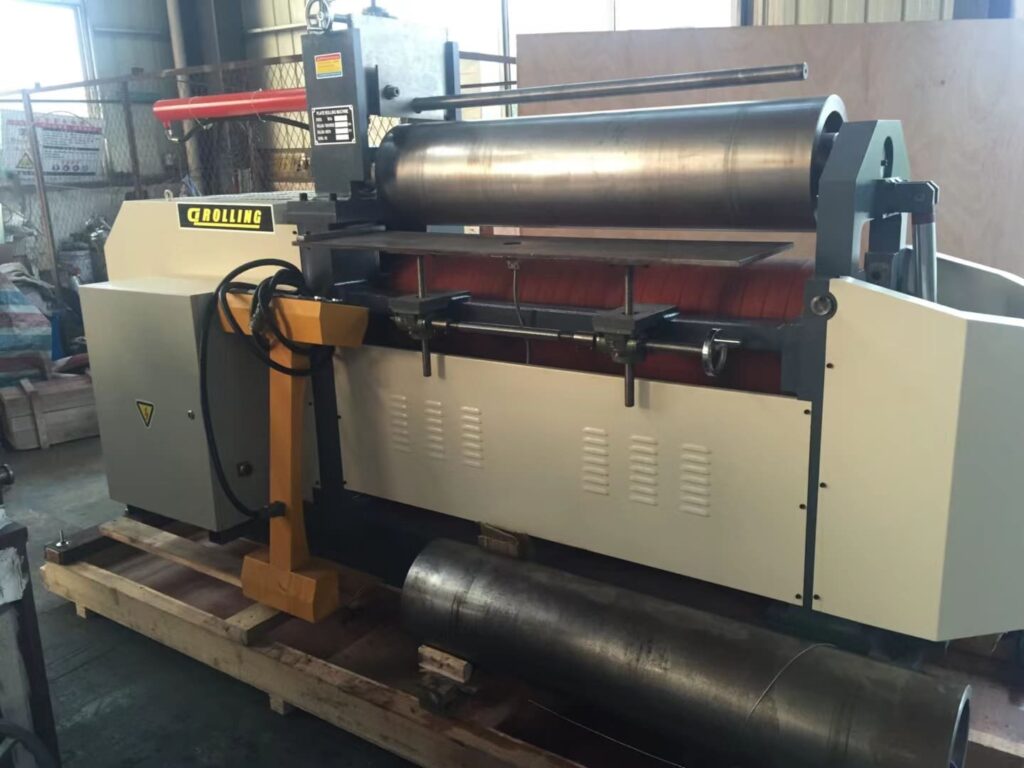
First, start with your specific fabrication needs. Ask yourself: What thickness and type of metal will I be rolling most often? If you’re working with thin aluminum sheets, a lighter-duty sheet rolling machine might work, but if you’re handling thick steel plates, you’ll need a more robust model. For instance, if you are handling stainless steel material, try our W10 plate rolling machine, which is widely used in the metalworking industry, especially suitable for the rolling process of stainless steel materials. It’s also important to think about the shapes you’re creating—do you need simple cylinders or more complex curves? If it’s the latter, you might want to look for a sheet rolling machine that can work alongside a profile bending machine to expand your capabilities.
2. Performance and Stability
Second, don’t overlook machine performance and stability. A great sheet rolling machine should have consistent pressure distribution, so it doesn’t leave uneven marks on the metal. We’ve heard from customers that stability is one of their top priorities—nothing’s more frustrating than a machine that wobbles mid-operation, ruining a piece of metal. To meet that demand, we displayed 3 rolls mechanical plate rolling machine which adopts high quality materials and advanced technology to provide stable performance and high efficiency production capacity, which is suitable for the demand of steel plate rolling in various thickness ranges. We always emphasize build quality; a well-constructed sheet rolling machine will stay stable even during long production runs.

3. Pre- and Post-Sales Support
Third, consider the pre-sales support and post-sales service from the supplier. Let’s be honest—buying a sheet rolling machine is a big decision, and you’ll likely have questions before you purchase. A reliable supplier will offer free, detailed pre-sales consultation to help you figure out which machine is right for you. They should also be there to help if something goes wrong later, whether it’s troubleshooting or maintenance tips. We’ve found that businesses value this support just as much as the machine itself—after all, you want to know you’re not alone if issues arise. Therefore, we thoughtfully offer sheet rolling machine buying service to help solve customers’ problems.
4. Compatibility
Finally, think about compatibility with other machines you already have. If you use a laser cutting machine to cut metal sheets before rolling, make sure the sheet rolling machine can handle the sizes and types of sheets your cutter produces. The same goes for press brake machines—if you bend metal after rolling, the two machines should work in harmony to avoid delays or errors.
III. How to Avoid Common Pitfalls When Choosing a Sheet Rolling Machine
1. Overemphasizing Price
It is a prevalent error to prioritize price above all else when selecting a sheet rolling machine. While the allure of the cheapest option is strong, inexpensive models typically compromise on durability and performance. Initial savings may be enticing, but frequent repairs and premature replacements will ultimately inflate long – term costs. Instead, assess the overall value, considering factors like the machine’s lifespan, availability of support, and operational efficiency. Investing in a slightly costlier, reliable machine will yield greater returns over time.
2. Neglecting Real-World Testing and Feedback
Failing to test the machine or seek genuine customer testimonials before purchase is another common misstep. Reputable suppliers should readily share success stories from existing customers, highlighting how the machine enhanced efficiency, reduced waste, or enabled handling of larger orders. For instance, a customer shared that our sheet rolling machine’s precision and efficiency allowed them to fulfill a significant order that was previously out of reach. Such real-world insights offer a more accurate understanding of the machine’s capabilities beyond its technical specifications.
3. Disregarding Future Business Needs
Focusing solely on current requirements without accounting for future growth is a shortsighted approach. Even if your business is small, anticipating expansion in the next one or two years is crucial. A machine designed only for small – scale jobs will limit your business’s potential as it grows. Opt for a sheet rolling machine that can handle slightly larger or thicker materials than your current needs. Additionally, consider machines that can be upgraded or integrated with other tools, such as cross welding machines, ensuring your equipment evolves with your business.
4. Partnering with Unproven Suppliers
Collaborating with suppliers lacking a solid track record in the metal fabrication industry is a risky decision. The industry’s competitiveness has led to the emergence of many new suppliers without the necessary experience to guarantee product quality. Seek suppliers affiliated with well-established groups with extensive industry experience. These suppliers possess in-depth knowledge, understand industry best practices, and can provide superior support. Our 20-year association with a leading machinery group equips us with the expertise to consistently assist customers in choosing the ideal sheet rolling machine.
Conclusion
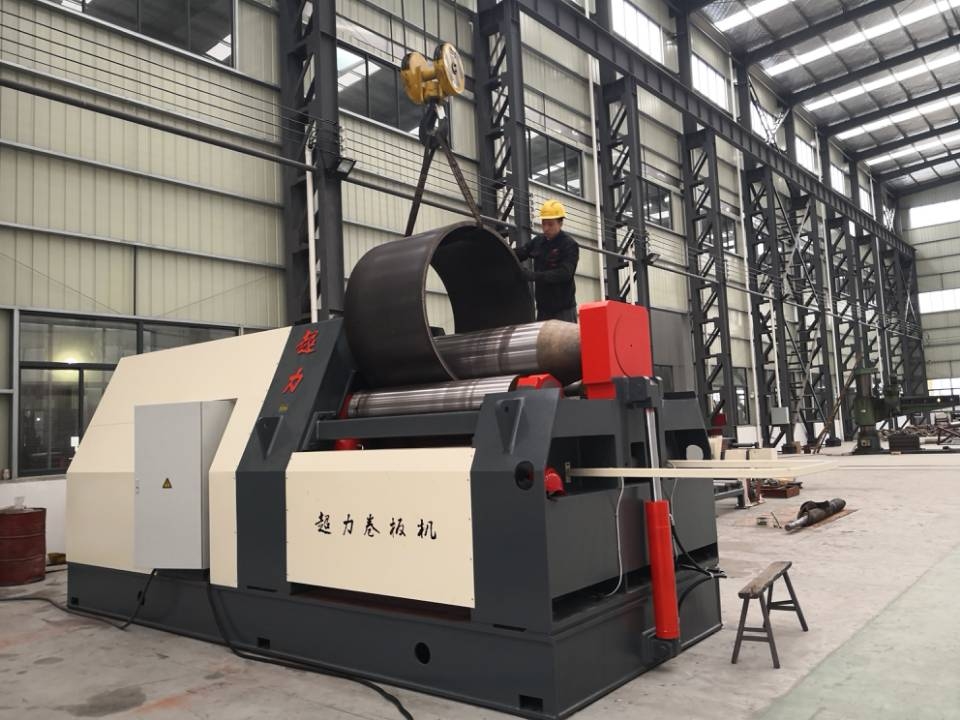
Choosing the right sheet rolling machine isn’t just about picking a tool—it’s about investing in your business’s success. From boosting efficiency to ensuring consistent quality, the right sheet rolling machine can transform your production line. Remember the key points we covered: start with your specific needs, prioritize performance and stability, look for strong pre-sales and post-sales support, avoid focusing solely on price, and plan for the future. And don’t forget that your sheet rolling machine works best when paired with other quality tools, like press brake machines, laser cutting machines, and plate shearing machines—they’re a team that helps you get the job done right. If you’re feeling overwhelmed, you’re not alone. As a professional metal processing machine supplier, we’re here to offer free, detailed pre-sales consultation to help you figure out exactly what you need. Whether you’re new to metal fabrication or looking to upgrade your current equipment, the proper sheet rolling machine is out there—and this guide has helped you take the first step to finding it. Don’t let a bad equipment choice hold your business back; invest in a sheet rolling machine that works as hard as you do.